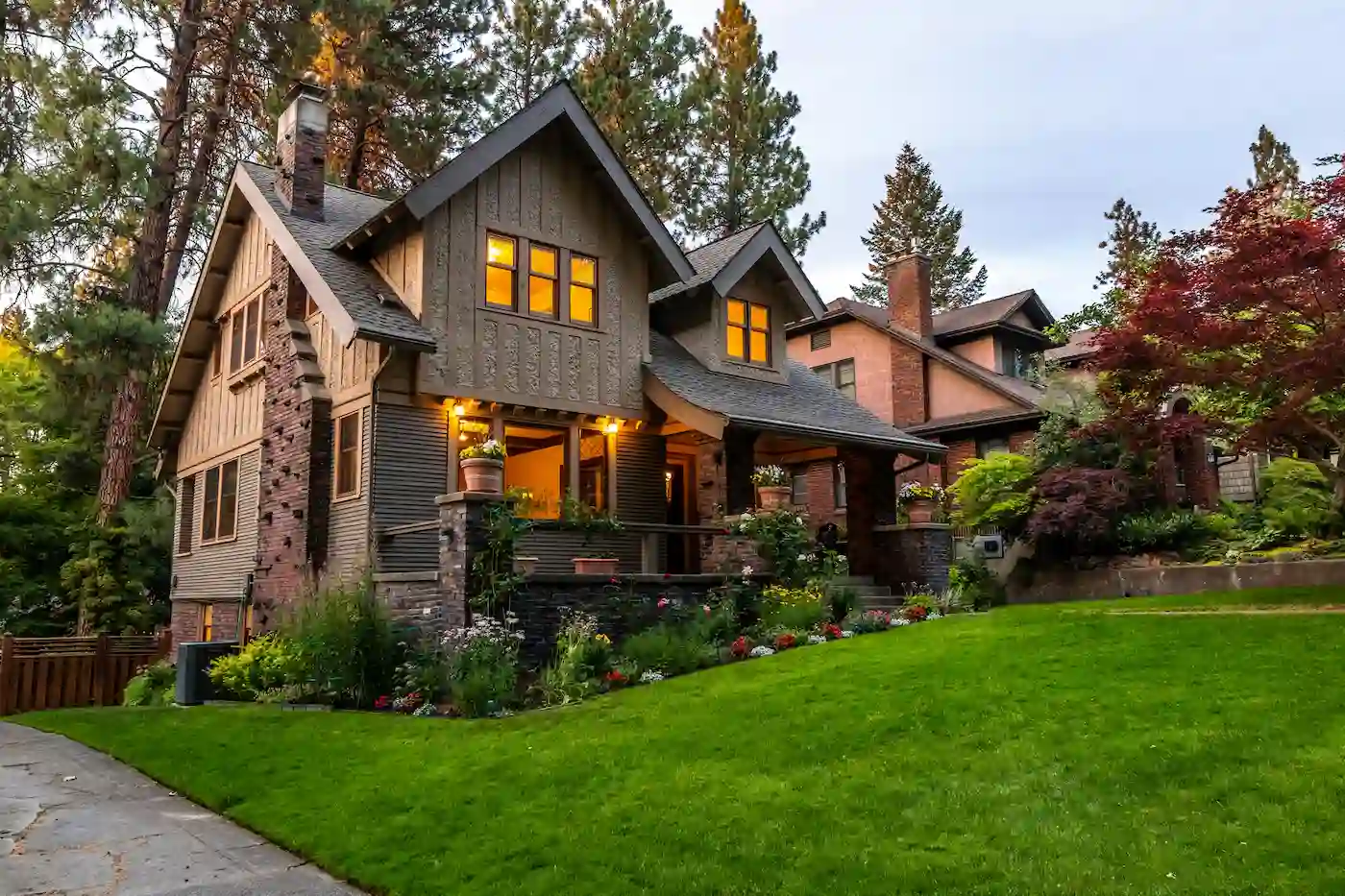
Check the Overall Property Condition
During a property viewing, the first thing buyers should evaluate is the overall condition of the home. Pay attention to visible signs of wear such as cracks in walls, damaged flooring, or stains on ceilings. These issues may indicate underlying structural or maintenance problems. While some repairs are minor, others could require significant investment. Taking a careful look at the general condition of the property helps you understand the potential work and cost involved after purchase.
Evaluate Natural Light and Space
Natural lighting and the sense of space can greatly affect how comfortable a home feels. During the viewing, observe how much natural light enters each room and whether the layout feels open or cramped. Large windows, proper ventilation, and thoughtful room placement can improve both comfort and energy efficiency. Walking through the home slowly allows you to imagine daily living and determine whether the space fits your lifestyle and future needs.
Inspect Important Structural Features
While touring a property, it is important to look beyond decoration and focus on structural elements. Check the condition of doors, windows, ceilings, and walls for any signs of damage or poor maintenance. Pay attention to how well doors and windows close, as this may indicate structural alignment issues. Small details like uneven flooring or cracks near windows could suggest deeper problems that might require professional inspection later.
Consider the Surrounding Neighborhood
A property’s value and livability are strongly influenced by its surrounding neighborhood. During the viewing, take time to observe nearby homes, traffic levels, noise, and overall cleanliness of the area. Look for nearby amenities such as schools, parks, public transportation, and grocery stores. Understanding the neighborhood environment helps you decide whether the location suits your lifestyle and may also influence the property's long-term value.