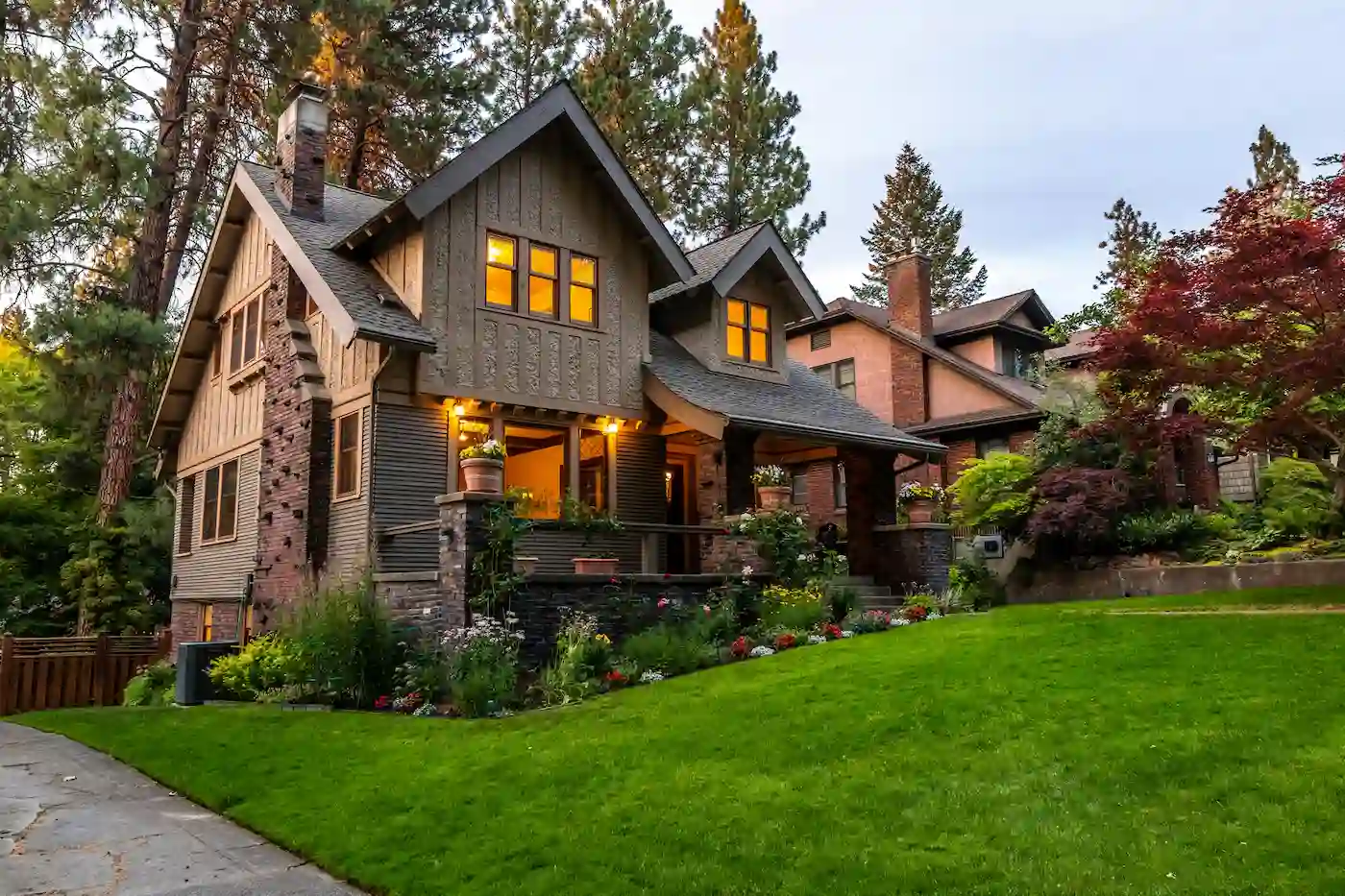
Proximity to Essential Amenities
Location plays a major role in determining a property’s value, especially when it is close to important amenities. Homes located near schools, grocery stores, hospitals, parks, and public transportation often attract more buyers. Easy access to daily necessities can make a neighborhood more convenient and desirable for families and professionals.
When buyers evaluate a property, they often consider how much time they will spend commuting or traveling for everyday activities. Areas with better accessibility and nearby services tend to maintain stronger property demand. As a result, homes in well-connected neighborhoods usually hold their value better over time.
Neighborhood Safety and Environment
A neighborhood’s safety and overall environment can strongly influence property values. Buyers typically prefer areas that feel secure, clean, and well maintained. Factors such as low crime rates, well-lit streets, and active community presence can make a neighborhood more attractive to potential homeowners.
The surrounding environment also plays an important role in long-term property appeal. Quiet streets, nearby parks, and well-kept public spaces can improve the quality of living in a neighborhood. These features often increase buyer interest and can positively affect property values in the long run.
Quality of Local Schools
The quality of nearby schools is one of the most influential factors for many homebuyers, especially families. Properties located within highly rated school districts often see stronger demand in the housing market. Parents frequently prioritize education opportunities when choosing where to live.
Even buyers without children sometimes consider school districts because they can influence future resale value. Homes near reputable schools often maintain stable demand and may appreciate faster than properties in areas with limited educational options.
Future Development and Growth
Future development plans in an area can also affect property value. New infrastructure projects, shopping centers, business developments, and transportation improvements can increase demand for nearby housing. As neighborhoods grow and attract more services, property values may rise.
However, not all developments increase property value equally. Large commercial projects or heavy traffic changes may affect the character of a neighborhood. Researching planned developments and long-term growth patterns can help buyers understand how a location may influence property value over time.